Cabo Polonio

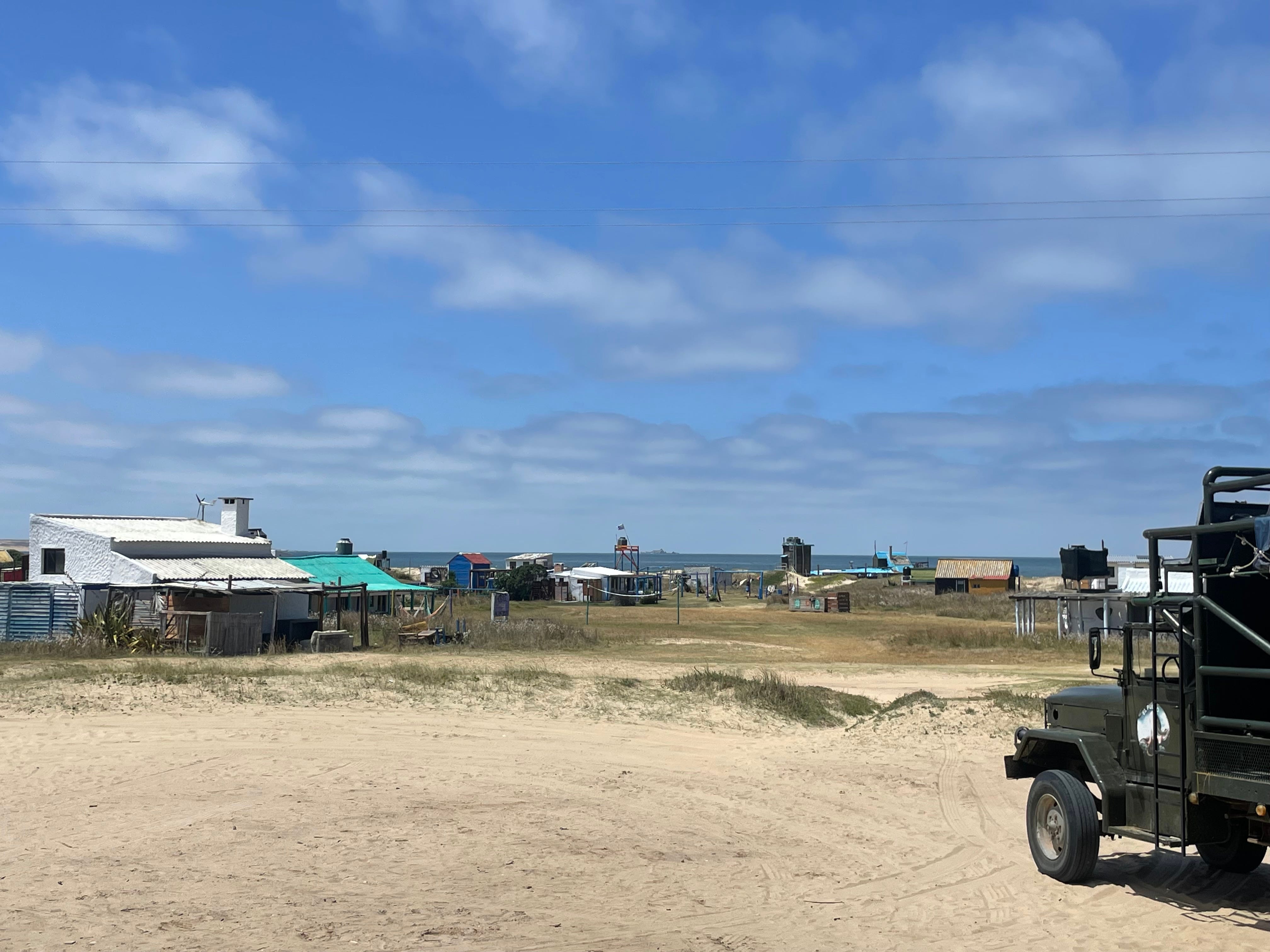
We left the bike in a parking lot by the highway, stored our luggage, and got into the back of a big, old safari truck that was going to take us through the dunes for six kilometers, all the way to Cabo Polonio. It was supposed to be only a one-day detour: a sunset at the beach, a dinner with candles, and a night to stargaze in a bay without light pollution. We would be back on the road the next day after breakfast—hopefully just tired and amazed. A small holiday within the journey.
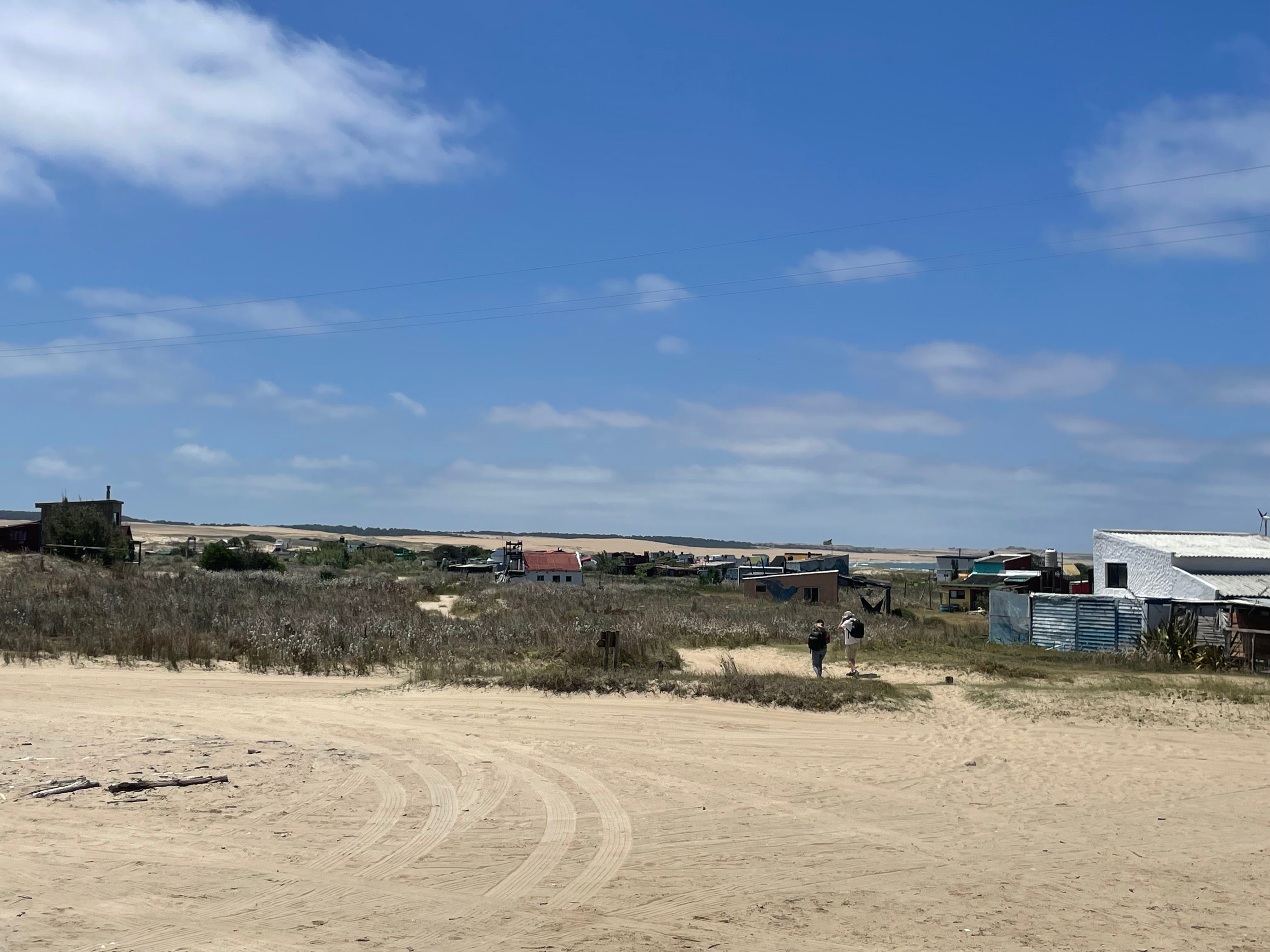
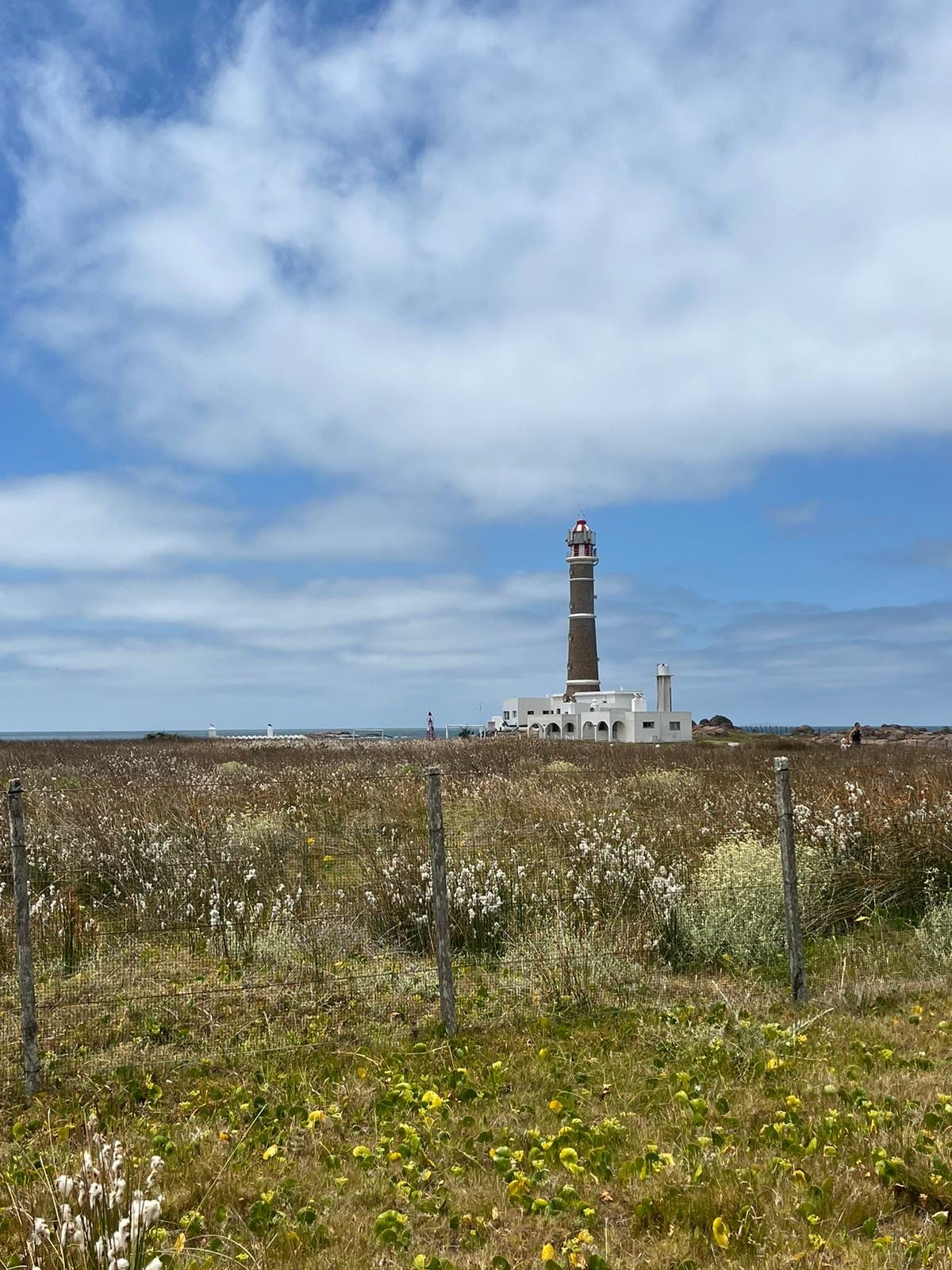
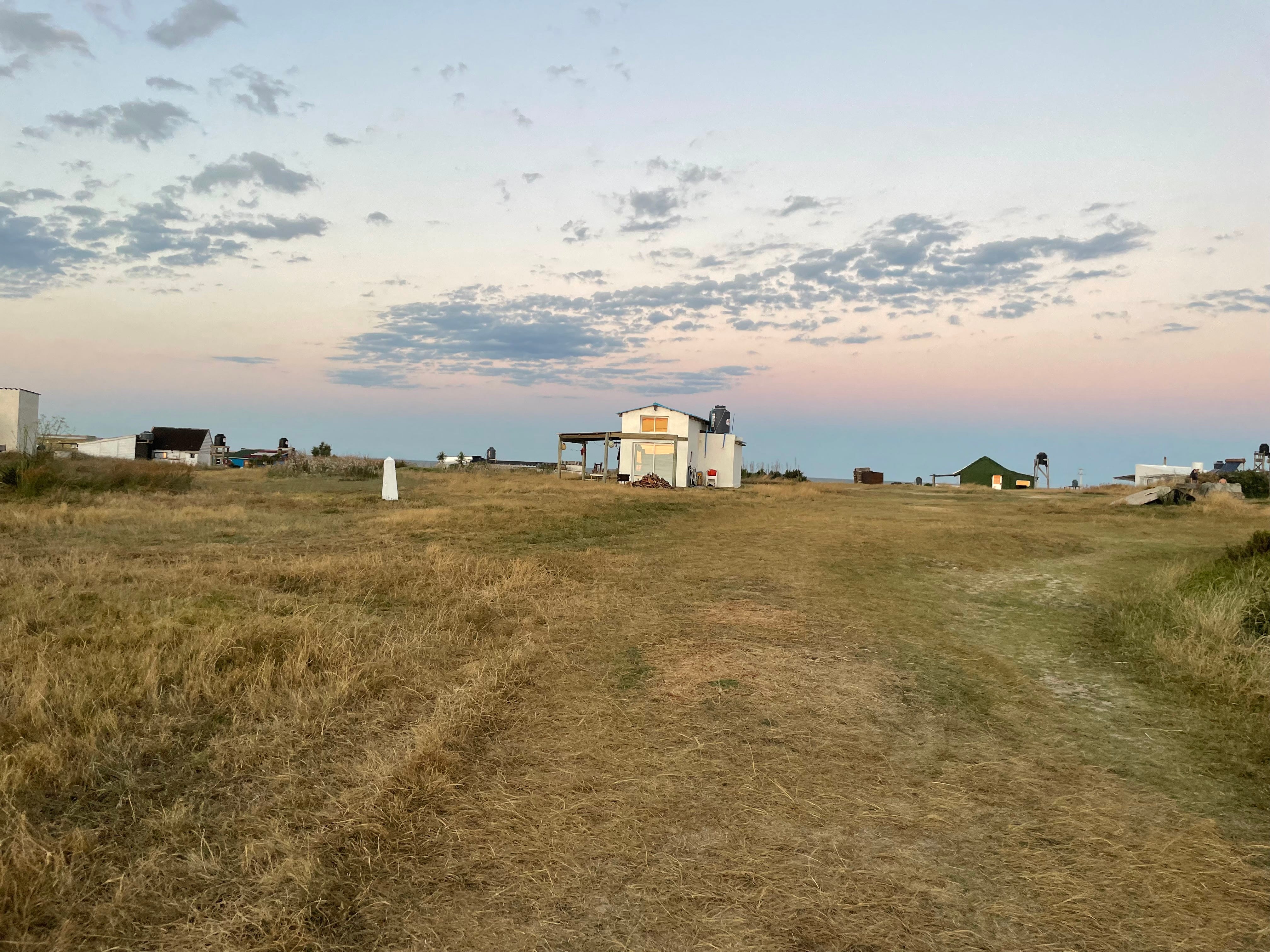
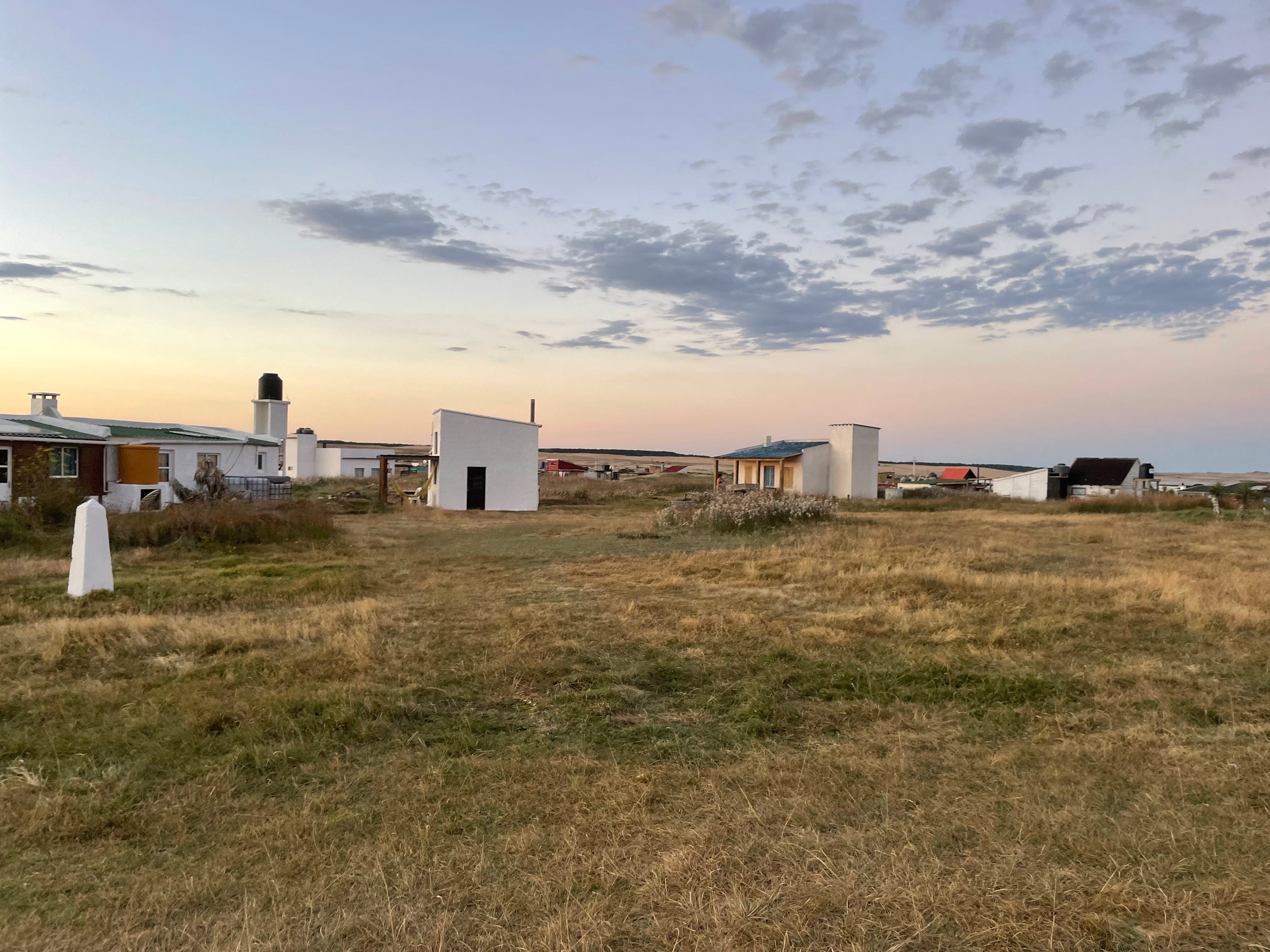
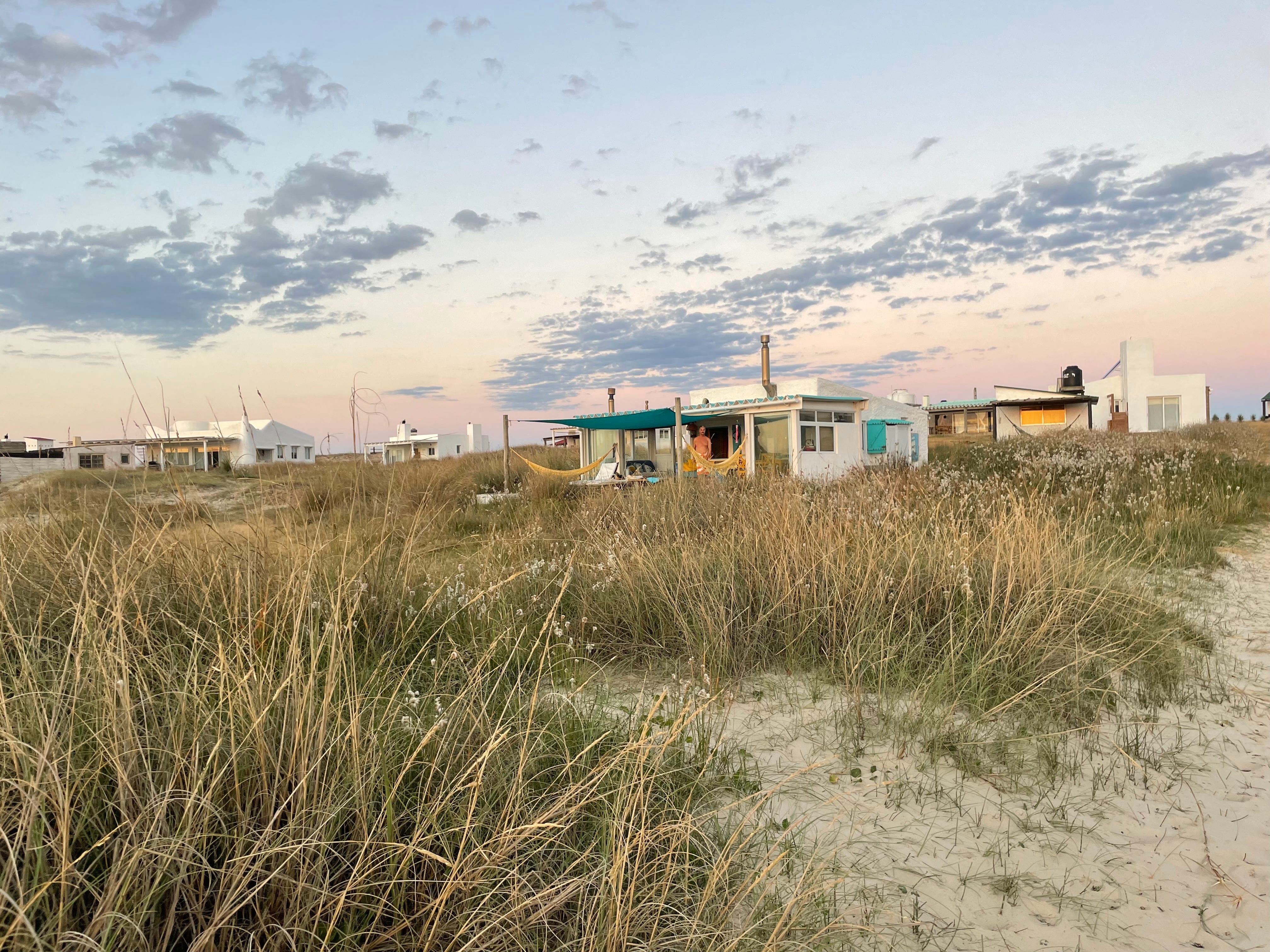
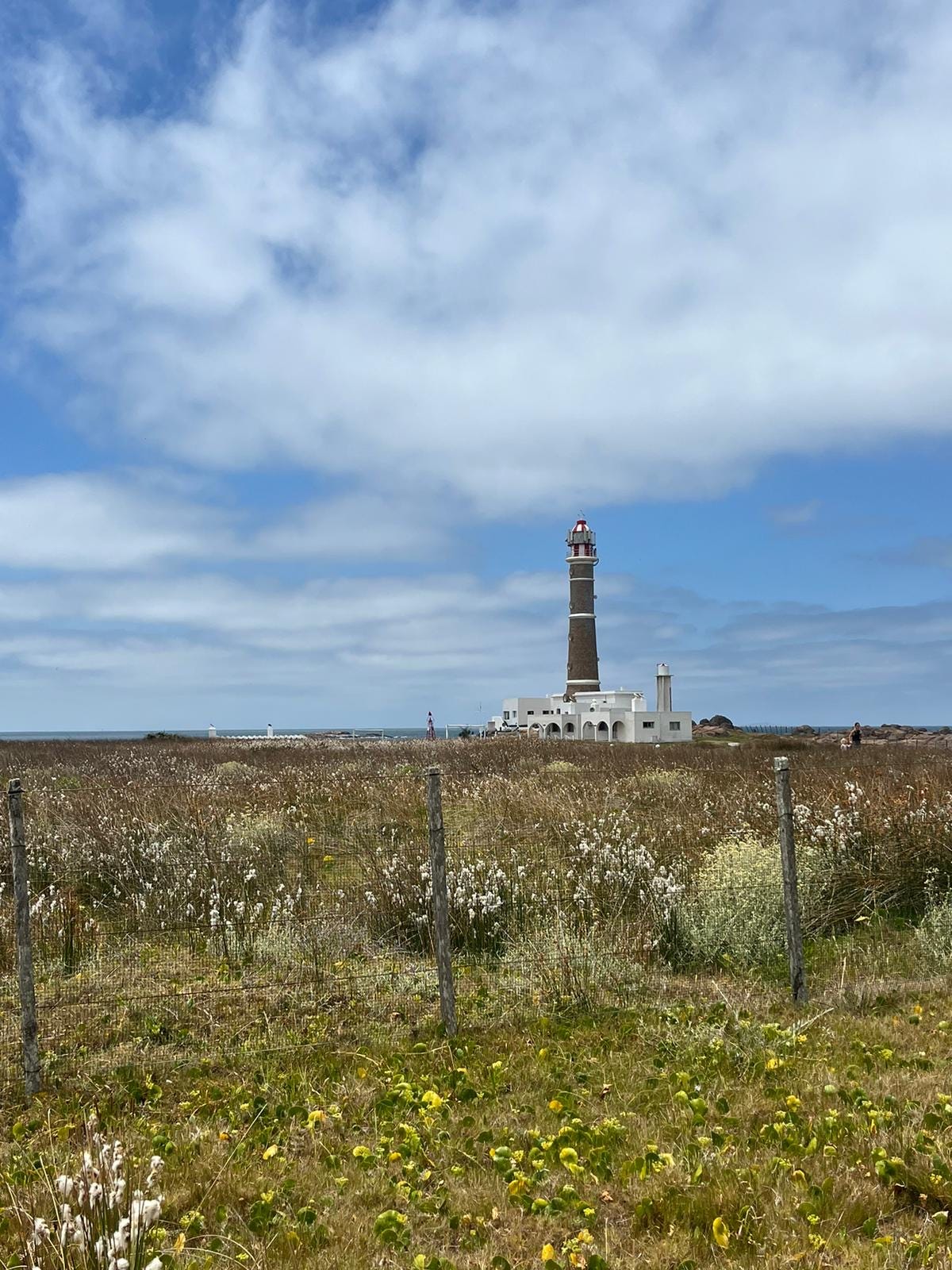
When our friends first told us about Cabo Polonio, they described it as a little rocky cape surrounded by a coastal forest and dunes, without electricity, phone signal, running water, streets, or any type of preconceived urban order; just huts and houses scattered randomly over the hill around a conspicuous lighthouse. There was also the largest population of sea lions in the region. That was the reason why people had settled there in the first place; it was a village of sailors and hunters who harvested oil, meat, and leather from the fat bodies of those animals. It had been an industry of slaughter, shrieks, and howling, of carcasses piled over the rocks, seagulls circling above, and a red tide as far as the light of the lighthouse could reach. But it is not like that anymore; it became a tourist destination after the government banned animal cruelty. Now it even has a mystic vibe that attracts a lot of hippies.
We arrived at the station, which was somewhere on the outskirts of the village, and walked in any direction until a girl came out of a house-restaurant and asked if we were looking for a hostel. It was late in the afternoon. We dropped our things, put on bathing suits, and ran to the ocean before it was too cold to swim. After twenty seconds in the water, I had to come out. It was then, when I first looked back at the land behind the hill and the houses, that I saw the dunes moving slowly like an immense mirage surrounding us as far as I could see.
People were already gathering to contemplate the sunset—small groups of friends, some families, and couples—all in silence, waiting. The sand was warm, but the air was getting chilly. There were just murmurs after the sun hid; no one wanted to interrupt the sublime experience.
As the day was receding into the ocean, people started to grab their stuff and go uphill to their houses. Very soon the beach was almost empty. Because I had brought my headlamp, we could stay until dark without worrying about our way back to the hostel. When the first three stars appeared, the beach was empty just for us. We kissed. The shine of the lighthouse was barely visible, but it attracted my eyes every time it passed.
After an hour or so lying on the beach, we decided to go for a walk. I was guiding with the lamp. In the darkness, a lot of paths emerged as we went, and the only obvious trail took us toward the lighthouse. We reached a fence with a warning sign and skirted it until we found an open door. Right when we crossed the threshold, a seabird screamed and continued screaming until we lowered ourselves to grass level. I stood up slowly; now four or five birds were screaming loudly like an alarm. We crawled about a hundred meters to the gravel path of the lighthouse. There was light there—red bulbs on the ground showing the way and two lamps over the door. I sat on a decorative buoy and smoked a cigarette while she went ahead and tried to open the door. It had a military emblem, so I called in a low voice for her not to knock; I figured the keeper was inside. She held her hand against the door, pushed, and opened it just a little bit. It made a rusty noise and the birds awoke again. I called her, but she just turned and walked straight out of the beam and into the darkness. Through the grass she went. After twenty seconds or so, I called her; then I used my headlamp and went after her, but she was gone.
The space inside the fence was not large, and I covered it with my lamp quickly. It made no sense; she had disappeared. I used the strobe, pointing it all around and calling out loud, waiting for an answer that never came. After a few minutes the birds fell silent, but the sea lions started growling. I could hear the waves crashing against the rocks. It was a mess. Then, a hideous smell hit me when the wind blew inland—the scent of rotting salt and old blood. It triggered the first fatalistic thoughts as I recalled sailors’ lore and pictured her being called by the ocean.
I ran, stumbling to the rocks behind the lighthouse. I climbed down to a flat rock and fell into the middle of a pack of sea lions. They moved and growled, their massive bodies lunging at me in the dark. I jumped to another rock and found more—huge shadows and snapping pups. I could not see them all, but I knew they were all around me, and the stench was unbearable. I escaped, knowing she was not there; it was impossible that she could have walked through that. But the noise... for a moment I thought she had been eaten. My legs gave out. I had an outburst of angst and returned to the buoy to think.
I laughed nervously, thinking about how fast my judgment had left with her. She was probably just finding her way back to the hostel alone. After being lost for a while, I finally reached our place; the owner and her friends were drinking around the fire. I asked if she had seen my girlfriend. She laughed and asked why I had lost her in the first place. The others made jokes about her leaving me and told me to keep looking if I really loved her. I ignored them and went upstairs. Our room was locked, and I felt the keys jangling in my pocket. Outside again, the hippies were still singing. They asked where the girl was and made the same jokes. It was as if we were repeating the same interaction from a minute ago. I realized that if she had been here looking for me, these people were unable to remember anything from a previous instant. They could provide no help.
I drifted around, calling her name into the void. A voice told me to shut up; another told me to get out of their property. The beam of the lighthouse revealed shapes for only a split second—not enough to recognize a landmark. I tried to use the stars, but the North Star, the only one I knew, was not visible from the Southern Hemisphere. I could not even rely on my own senses. In a moment of exhaustion, I stared up at the lighthouse and saw the shadow of a sea lion on the steel balcony outside the glass. It was moving. Then, the silhouette of a woman appeared and stood beside it.
I ran. On the way, my headlamp began to dim, and by the gravel path, the battery was dead. I no longer cared about the seabirds or the military keeper. I pushed the door, kicked it, and tried to tackle it, but it was shut tight. I pressed my ear against the wood and heard footsteps on the stairs. I knocked until my knuckles were raw, then circled the tower, trying to glimpse something through the small windows. I tried to stay there, waiting, but the smell of rotten crustaceans was so thick I could almost taste it.
When I finally left the lighted area, the sudden strike of darkness was so heavy that I lost my balance. I could see the stars above and the beam passing every few seconds, but I couldn’t see my hand in front of my face. Only when the light passed did I know if I was standing or lying down. Intermittent flashes out of nothing, revealing brief fragments of the world. The confusion was too strong. I stayed still until the first shapes began to reappear.
The sun rose on the same beach where it had set. I found myself standing—though I hadn’t realized I was. Once I recognized the grass and the hill, I walked back and saw others standing among the houses. They also looked concerned and confused, tired and relieved. Nobody said a word. When I arrived at the hostel, I took the keys out of my pocket and realized the door was no longer locked. She was there, sitting on the bed with red eyes and sand on her feet.
“I had a nightmare,” she said to me.
It was almost time to leave Cabo Polonio.
Dejamos la moto en un estacionamiento junto a la carretera, guardamos nuestro equipaje y subimos a la parte trasera de un viejo camión de safari que nos llevaría a través de las dunas durante seis kilómetros, hasta llegar a Cabo Polonio. Se suponía que sería solo un desvío de un día: un atardecer en la playa, una cena a la luz de las velas y una noche para observar las estrellas en una bahía sin contaminación lumínica. Estaríamos de vuelta en la ruta al día siguiente después del desayuno; con suerte, solo cansados y maravillados. Unas pequeñas vacaciones dentro del viaje.
Cuando nuestros amigos nos hablaron por primera vez de Cabo Polonio, lo describieron como un pequeño cabo rocoso rodeado de bosque costero y dunas, sin electricidad, señal de teléfono, agua corriente, calles ni cualquier tipo de orden urbano preconcebido; solo chozas y casas dispersas al azar sobre la colina, alrededor de un faro conspicuo. También albergaba la mayor población de lobos marinos de la región. Esa fue la razón por la que la gente se asentó allí en primer lugar; era un pueblo de marineros y cazadores que extraían aceite, carne y cuero de los cuerpos grasosos de aquellos animales. Una industria de matanza, chillidos y aullidos, de cadáveres apilados sobre las rocas, gaviotas sobrevolando en círculos y una marea roja hasta donde alcanzaba la luz del faro. Pero ya no es así; se convirtió en un destino turístico después de que el gobierno prohibiera la crueldad animal. Ahora incluso tiene una vibra mística que atrae a los hippies.
Llegamos a la estación, que estaba en algún lugar de los límites del pueblo, y caminamos en cualquier dirección hasta que una chica salió de una casa-restaurante y nos preguntó si buscábamos un hostal. Era tarde en la tarde. Dejamos nuestras cosas, nos pusimos el traje de baño y corrimos al océano antes de que hiciera demasiado frío para nadar. Después de veinte segundos en el agua, tuve que salir. Fue entonces cuando, al mirar por primera vez hacia la tierra, detrás de la colina y las casas, vi las dunas moviéndose lentamente como un inmenso espejismo que nos rodeaba.
La gente ya se estaba reuniendo para contemplar el atardecer —pequeños grupos de amigos, algunas familias y parejas— todos en silencio, esperando. La arena estaba cálida, pero el aire se volvía frío. Luego, solo hubo murmullos después de que el sol se ocultó; nadie quería interrumpir la experiencia sublime.
A medida que el día retrocedía hacia el océano, la gente comenzó a recoger sus cosas y a subir la colina hacia sus casas. Muy pronto la playa quedó casi vacía. Como yo había traído mi linterna frontal, pudimos quedarnos en la playa hasta que oscureció sin preocuparnos por el camino de regreso al hostal. Cuando aparecieron las tres primeras estrellas, la playa ya estaba vacía solo para nosotros. Nos besamos. El destello del faro era apenas visible, pero atraía mis ojos cada vez que pasaba.
Después de una hora o más tumbados en la playa, fuimos a caminar. Yo guiaba con la linterna. En la oscuridad, surgieron muchos senderos a medida que avanzábamos, y el único rastro obvio nos llevó en dirección al faro. Llegamos a una valla con una señal de advertencia y la rodeamos hasta que encontramos una puerta abierta. Justo cuando cruzamos el umbral, una ave marina gritó y continuó gritando hasta que nos agachamos a nivel del pasto. Me levanté lentamente y ahora cuatro o cinco pájaros gritaban fuertemente como una alarma, así que gateamos unos cien metros hasta el camino de grava del faro. Allí había luz: bombillas rojas en el suelo marcando el camino y dos lámparas sobre la puerta del faro. Me senté en una boya decorativa junto a la grava y fumé un cigarrillo mientras ella se adelantaba e intentaba abrir la puerta. Tenía un emblema militar, así que la llamé en voz baja para que no golpeara; probablemente el guardián estaba allí. Ella apoyó la mano contra la puerta, empujó y la abrió solo un poco; hizo un ruido oxidado y los pájaros despertaron de nuevo. La llamé, pero ella simplemente se dio la vuelta y caminó directo fuera del haz de luz hacia la oscuridad. Se fue a través del pasto. Después de unos veinte segundos, la llamé; luego usé mi linterna y fui tras ella, pero había desaparecido.
El espacio dentro de la cerca no era muy grande y lo cubrí con mi linterna rápidamente. No tenía sentido; se había esfumado. Usé el estroboscopio, apunté a todo mi alrededor y esperé; luego llamé en voz alta y esperé de nuevo. Después de un par de minutos, los pájaros callaron, pero los lobos marinos empezaron a gruñir y también podía oír las olas rompiendo en las rocas. Era un caos. Y entonces, un olor espantoso me golpeó cuando el viento sopló hacia tierra adentro. Desencadenó los primeros pensamientos fatalistas al recordar algunas leyendas de marineros e imaginarla siendo llamada por el océano.
Corrí, tropezando hacia las rocas detrás del faro. Bajé a una roca plana y caí en medio de una manada de lobos marinos. Se movieron y gruñeron y se me echaron encima. Salté a otra roca y encontré más, algunos enormes y otros pequeños. No podía verlos a todos con mi luz, pero sabía que estaban a mi alrededor, y el hedor era insoportable. Escapé sabiendo que ella no estaba allí; era imposible que hubiera caminado a través de eso. Pero el ruido... por un momento pensé que mi novia había sido devorada por lobos marinos. Cómo explicar eso. Mis piernas cedieron. Tuve un estallido de angustia y regresé a la boya para pensar.
Me reí con nerviosismo, pensando en lo rápido que mi juicio se había ido con ella, quien probablemente solo estaba encontrando su camino de regreso al hostal sola con la luz oscilante del faro. Después de estar perdido un rato, finalmente llegué a nuestro lugar; la dueña y sus amigos estaban bebiendo alrededor del fuego. Le pregunté si había visto a mi novia. Se rió y me preguntó por qué la había perdido en primer lugar. Luego los demás hicieron algunas bromas sobre que ella me había dejado y me dijeron que fuera a seguir buscando si realmente la amaba. Simplemente los ignoré y subí las escaleras. Nuestra habitación estaba cerrada y sentí las llaves tintineando en mi bolsillo mientras bajaba las escaleras. Afuera de nuevo, los hippies reían y cantaban alrededor del fuego. Me preguntaron dónde estaba la chica e hicieron bromas. Era como si estuviéramos repitiendo la misma estúpida interacción que habíamos tenido hace un minuto. Me di cuenta de que si ella hubiera estado aquí buscándome, este grupo de personas no era capaz de recordar nada de un instante anterior y no podían proporcionar ninguna información útil.
Vagué sin rumbo y grité su nombre. Una voz me dijo que me callara y más tarde otra que saliera de su propiedad. El haz del faro revelaba formas por una fracción de segundo, no lo suficiente para reconocer una referencia, así que intenté usar las estrellas para guiarme, pero la estrella del norte, la única que conozco, no es visible desde el hemisferio sur. Ni siquiera podía confiar en mis sentidos. En un momento de agotamiento, simplemente miré hacia el faro y vi la sombra de un lobo marino allá arriba, en el balcón de acero fuera del cristal. Se movía; luego la silueta de una mujer apareció y se detuvo a su lado.
Corrí hacia el faro. En el camino, mi linterna comenzó a atenuarse y, al llegar al camino de grava, se quedó sin batería. No me importaron los pájaros ni el militar. Empujé la puerta, la golpeé, luego intenté embestirla, pero estaba cerrada. Apoyé el oído y escuché pasos en las escaleras. Golpeé hasta que mis nudillos quedaron en carne viva y di vueltas intentando ver algo a través de las pequeñas ventanas. Intenté quedarme allí, esperando, pero el olor a crustáceos podridos y sangre era tan fuerte que casi podía saborearlo.
Cuando salí del área iluminada, el golpe repentino de la oscuridad fue tan pesado que perdí el equilibrio. Fue la sensación más extraña, porque podía ver las estrellas arriba y el haz del faro pasando cada cinco segundos aproximadamente, pero no era capaz de ver mi mano justo frente a mi cara, ni de sentir el suelo bajo mis pies. Solo cuando pasaba la luz sabía si estaba de pie o acostado. Destellos intermitentes salidos de la nada hacia solo una parte, muy breve y pequeña, de algo. Lo intenté, pero la confusión era demasiado fuerte. Todo lo que sabía era que el sol saldría, quién sabe en cuánto tiempo. Pero esperé, inmóvil. Y esperé allí hasta que las primeras formas aparecieron de nuevo.
El sol salió en la misma playa donde se puso. Y yo estaba de pie, lo cual tampoco sabía. Después de reconocer el pasto, la colina y el faro, caminé y vi a otros también de pie entre las casas. Ellos también parecían preocupados y confundidos, cansados y aliviados. Nadie dijo nada. Cuando llegué al hostal, saqué las llaves de mi bolsillo y me di cuenta de que la puerta no estaba cerrada con llave. Ella estaba allí, sentada en la cama con los ojos rojos y arena en los pies.
“Tuve una pesadilla”, me dijo.
Ya casi era hora de dejar Cabo Polonio.